
what is gypsum used for manufacturer Grasping strong production capability, advanced research strength and excellent service, Shanghai what is gypsum used for supplier create the value and bring values to all of customers.
 WhatsApp)

(FGD) gypsum is produced by removal of sulfur dioxide (SO₂) from flue gas streams when energy sources, generally coal, containing high concentrations
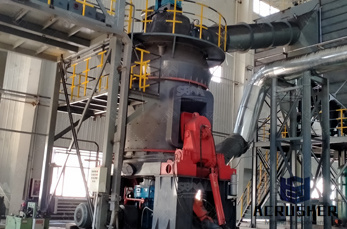
Define gypsum: a widely distributed mineral consisting of hydrous calcium sulfate that is used especially as a soil amendment and in making plaster.
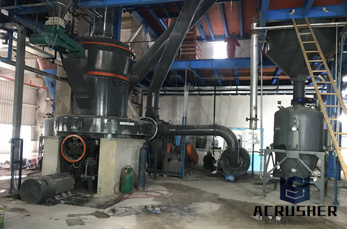
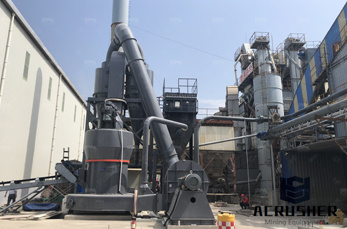
Gypsum is an industrially important mineral. It is the primary ingredient of plaster-of-Paris, which is finely ground Gypsum, and it is used in the production of cement.
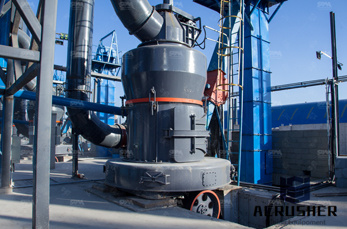
Gypsum Helps Recondition Clay And Hardpan Type Soils Are clay or hardpan problems in your garden? Gypsum may be just the answer to help break .
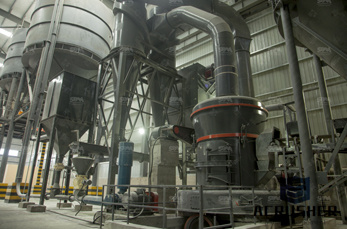
Agricultural gypsum works as a soil amendment, conditioner and fertilizer to improve the soil, supplying calcium and plant available Sulfate Sulfur.
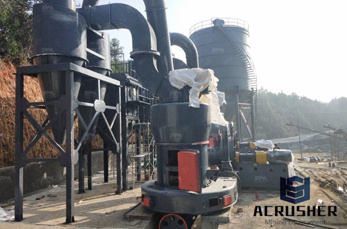
Gypsum can help stabilise aggregate structure in some soils. Use of gypsum in other soils will not improve soil physical or chemical properties, so it is important to ...
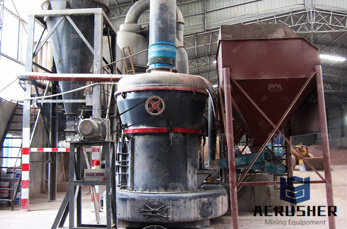
Simple & Understandable Information Regarding the Beneficial Use of FGD Gypsum for Agriculture
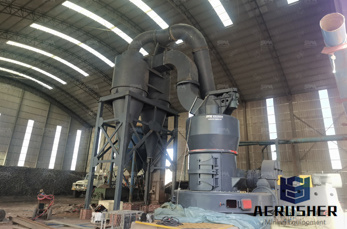
Gypsum is a soft sulfate mineral composed of calcium sulfate dihydrate, with the chemical formula CaSO 4 ·2H 2 O. It is widely mined and is used as a fertilizer, and ...
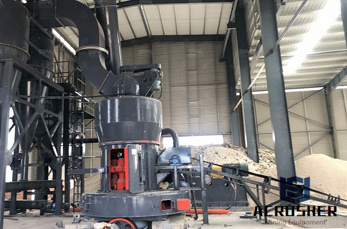
- gypsum is a type of mineral and a hydrated calcium sulfate in chemical form. It plays a vital role in compensating the rate of hardening of the cement. It is used ...

Gypsum is a mineral found in crystal as well as masses called gypsum rock. It is a very soft mineral and it can form very pretty, and sometimes extremely
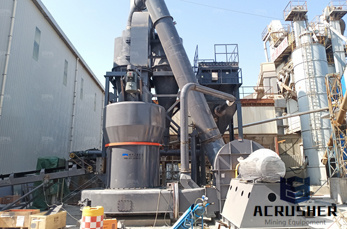
What is the Difference Between Sheetrock and Drywall? Home / About / Blog / What is the Difference Between ... One sheet of drywall includes gypsum, ...
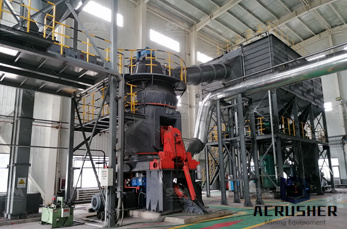
For over 250 years gardeners incorporated gypsum, also known by the scientific moniker calcium sulfate dihydrate, into problem gardens. Gypsum encourages the fine ...
WhatsApp)
 Online Chat
 Sales Hotline